

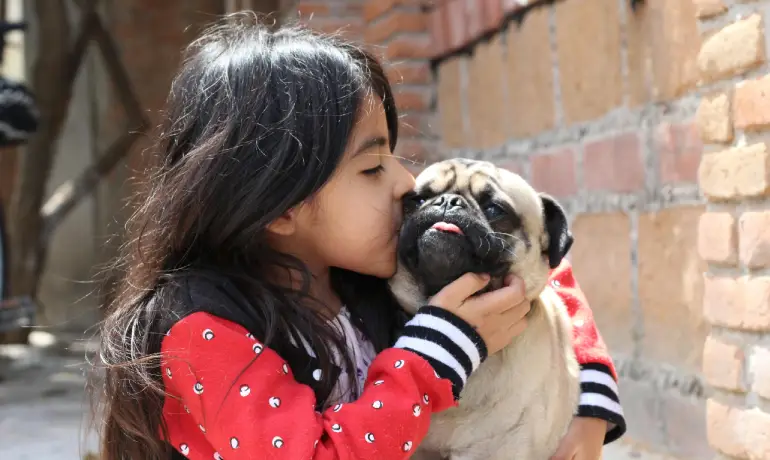
Bringing a puppy or kitten home for the first time is one of life’s most joyful experiences. But for many new pet owners in Dhaka, it quickly becomes overwhelming. What vaccines does my pet need? When should I deworm them? What food is right? When do I first visit a vet?
This guide from LD Veterinary Hospital — Bangladesh’s first full-service small-animal hospital — gives you a clear, practical roadmap for your pet’s entire first year of life. Follow it, and you will set your companion up for a long, healthy, and happy life.
Before Your Pet Comes Home: What to Prepare
Create a Safe Space
Designate a quiet, comfortable area where your pet can sleep and feel secure. For puppies and kittens, this should be an enclosed area away from heavy foot traffic. Use a soft bed or blanket with familiar scent, and ensure the space is free from electrical cords, toxic plants, and small objects that could be swallowed.
Pet-Proof Your Home
Cats are climbers — secure unstable shelves and keep toxic household items (cleaning products, certain indoor plants, human medications) locked away. Dogs chew — keep shoes, cables, and garbage inaccessible. In Dhaka apartments, ensure windows and balconies are secured.
Stock the Essentials Before Day One
- Age-appropriate food: puppy or kitten formula for animals under 12 months
- Fresh water bowl — clean and refill daily
- Litter box for cats (one per cat, plus one extra)
- Collar with ID tag and microchip registration
- Carrier for safe transport to the vet
- Basic grooming supplies: soft brush, nail clipper
Week 1–2: The First Veterinary Visit
Your pet’s first vet visit should happen within the first week of bringing them home — even if they appear perfectly healthy. This foundational appointment establishes a medical baseline and sets your pet on the right preventive health track.
At LD Veterinary Hospital, the first visit includes a head-to-tail physical examination, parasite check, assessment of body condition score, and a customised vaccination and deworming schedule.
Bring any records you have — vaccination history, breeder notes, or documents from a shelter. Even if records are incomplete, our team will determine what your pet needs based on age and health status.
The Vaccination Schedule: Your Most Important First-Year Task
For Puppies
- 6–8 weeks: DHPP combination vaccine (1st dose)
- 10–12 weeks: DHPP (2nd dose) + Rabies vaccine (1st dose)
- 14–16 weeks: DHPP (3rd dose)
- 12 months: All boosters
- Annually: Rabies booster (legally required in Bangladesh)
For Kittens
- 6–8 weeks: FVRCP combination vaccine (1st dose)
- 10–12 weeks: FVRCP (2nd dose) + Rabies vaccine (1st dose)
- 16 weeks: FVRCP (3rd dose)
- 12 months: All boosters
Missing or delaying vaccines puts your pet at serious risk. Parvovirus in unvaccinated puppies and Panleukopenia in unvaccinated kittens are among the leading causes of preventable pet death in Dhaka.
Deworming: Often Forgotten, Always Important
Internal parasites are extremely common in Bangladesh. Puppies and kittens can be born with roundworms, or acquire them through their mother’s milk and environment. Deworming should begin at 2 weeks of age and continue as follows:
- Puppies and kittens: Deworm every 2 weeks until 12 weeks of age
- From 12 weeks to 6 months: Deworm monthly
- Adults (over 6 months): Deworm every 3 months for the rest of their life
External parasite prevention (flea and tick treatment) should also begin early and be applied monthly — year-round in Bangladesh’s climate.
Feeding Your New Pet Correctly
Puppies
Puppies need significantly more calories per kilogram than adult dogs because they are growing rapidly. Feed a quality puppy-formulated food 3–4 times daily until 6 months, then reduce to 2–3 times daily. Avoid feeding rice and fish (a common practice in Bangladesh that creates nutritional deficiencies), onion, garlic, grapes, and chocolate — all of which are toxic to dogs.
Kittens
Cats are obligate carnivores — they must eat animal protein to survive. Feed a quality kitten-formulated wet or dry food 3–4 times daily until 6 months, then twice daily. Never feed dog food to cats, and avoid a diet of exclusively homemade rice and fish, which lacks the taurine cats need for heart and eye health.
Fresh water must always be available. Many cats dislike water near their food bowl — place the water bowl in a different location.
Socialisation: A Critical Window You Cannot Get Back
Between 3 and 14 weeks, puppies have a developmental window during which positive experiences with people, other animals, sounds, and environments shape their personality for life. A puppy that is not adequately socialised during this period is far more likely to develop fear and aggression problems in adulthood.
Take your puppy to different environments, introduce them gently to children, other dogs, and various sounds. Enrol in a basic obedience class if possible. For kittens, gentle daily handling from week one onward helps create a calm, confident adult cat.
Spaying or Neutering: Plan Ahead
The ideal age for spaying or neutering is 5–6 months for cats, and 6–12 months for dogs depending on breed and size. Discuss this with your veterinarian at your first visit so you can plan ahead. Spaying eliminates the risk of uterine infection and dramatically reduces mammary cancer risk. Neutering prevents testicular cancer and reduces roaming and indoor marking behaviour.
Monthly Checklist for New Pet Owners in Bangladesh
- Fresh water available and bowl cleaned daily
- Feeding the correct food for age and species
- Deworming on schedule (monthly for animals under 6 months)
- Flea and tick prevention applied
- Litter box cleaned daily (cats)
- Weekly brushing and coat check
- Nails trimmed monthly or checked for overgrowth
- Vaccination schedule tracked and next appointment booked
Signs Your New Pet Needs to See a Vet Immediately
- Not eating or drinking for more than 24 hours
- Vomiting or diarrhoea more than twice, or any blood in stool
- Extreme lethargy or inability to stand
- Breathing difficulty or open-mouth breathing (cats)
- Swollen abdomen
- Eyes producing discharge or appearing cloudy
- Any seizure or sudden loss of coordination
Your Partner in Pet Health: LD Veterinary Hospital, Uttara
LD Veterinary Hospital has been Bangladesh’s trusted full-service small-animal hospital since 2019. We offer vaccination, deworming, grooming, spaying, diagnostics, dental care, and emergency services — everything your new pet needs across their entire life, under one roof.
We welcome new patients and their families. Our team takes the time to educate pet parents, answer questions, and build a long-term care relationship with every animal we treat.
Phone: +880 1733339597 | Email: manager@ldveterinaryhos.com | ldveterinaryhos.com
LD Veterinary Hospital | House #15, Sonargaon Janopath, Sector-07, Uttara, Dhaka-1230